
 4th of July Sale - 17% OFF sitewide | Use code: JULY4PETS
Bravecto vs NexGard: Which Flea and Tick Treatment Is Best for Dogs?
Edward Simmons 15 min 18 sec read

Which flea and tick treatment offers the right balance of safety, convenience, and protection for your dog? Bravecto or NexGard? It’s a top concern for dog owners navigating a complex world of parasite preventatives like Bravecto, NexGard, Simparica Trio, and Trifexis, where ingredients, safety profiles, side effects, and breed compatibility all matter.
Key Takeaways
In this comparison of Bravecto vs NexGard, you’re not just comparing labels - you’re making a decision that affects your pet’s comfort, disease risk, and day-to-day health management.
The global flea and tick medication market is projected to grow at a CAGR of 7.4% from 2024 to 2030 [source]

Pet parents are increasingly seeking treatments that offer long-term efficacy, minimal side effects, and convenience while fitting their dog’s health needs and daily routine.
From regional tick exposure to vet-recommended prevention schedules, the "best" option can shift based on your dog’s age, medical history, and ability to stick to a routine.
At HardyPaw, we remove the guesswork by offering vet-approved flea and tick preventatives all curated to help you match your dog’s needs with the most effective treatment available today.
This in-depth guide to Bravecto vs NexGard will help you:
- Understand how Bravecto and NexGard function
- Evaluate which offers better tick and flea protection
- Assess safety, dosing schedules, and convenience
- Get answers to real questions pet owners are asking right now
Bravecto vs NexGard Comparison Table
This quick comparison shows the main differences between Bravecto and NexGard for dogs, including active ingredients, dosing schedule, available forms, and key safety considerations.
| Feature | Bravecto | NexGard |
| Active ingredient | Fluralaner | Afoxolaner |
| Drug class | Isoxazoline | Isoxazoline |
| Dosing schedule | Usually every 12 weeks, depending on product and tick species | Monthly |
| Available forms | Chewable and topical options | Chewable tablet |
| Flea protection | Kills fleas after they bite | Kills fleas after they bite |
| Tick protection | Kills ticks after attachment; coverage can vary by tick species | Kills ticks after attachment with monthly dosing |
| Pregnancy and nursing data | More label-supported data for breeding, pregnant, and lactating dogs | Safe use has not been adequately evaluated on the standard label |
| Best fit | Dogs whose owners prefer fewer doses or need a topical option | Dogs whose owners prefer a monthly chewable routine |
| Prescription requirement | Prescription required in the U.S. | Prescription required in the U.S. |
Understanding Bravecto and NexGard: What They Do for Your Dog
Before diving into comparisons, let’s quickly break down what Bravecto and NexGard are, how they work, and what makes them trusted names in flea and tick prevention.
What Is Bravecto?
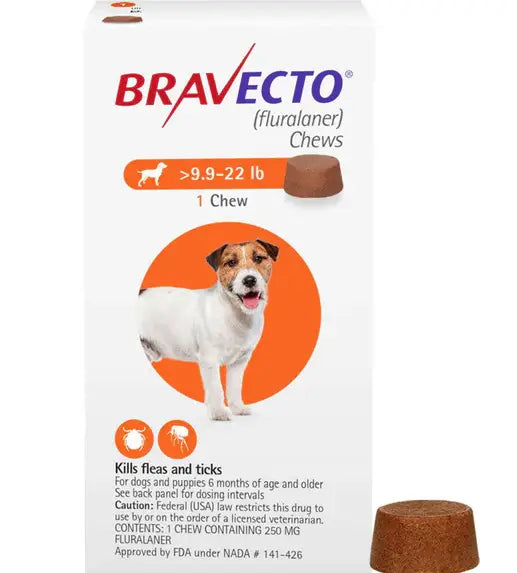
Bravecto is a powerful flea and tick medication made by MSD Animal Health (a division of Merck & Co.). It’s available in two formats:
- A chewable tablet that protects dogs for 12 weeks
- A topical solution that also offers 12-week protection
Both formats are designed to kill fleas and ticks from the inside out.
How Does Bravecto Work?
Bravecto’s active ingredient, fluralaner, is part of a group of compounds called isoxazolines. Once administered, the medicine enters your dog’s bloodstream and stays active for weeks or even months, depending on the format.
Here’s what happens next:
- When a flea or tick bites, it ingests the fluralaner.
- This compound blocks nerve signals inside the parasite by targeting its GABA-gated and glutamate-gated chloride channels.
- The result? The flea or tick becomes hyperexcited, then paralyzed, and dies within hours
The key here is sustained systemic protection. With a single chewable, your dog gets up to 12 weeks of coverage, and the topical version also provides up to 12 weeks of protection per dose, making Bravecto a go-to for long-term parasite control with fewer treatments.
What Is NexGard?
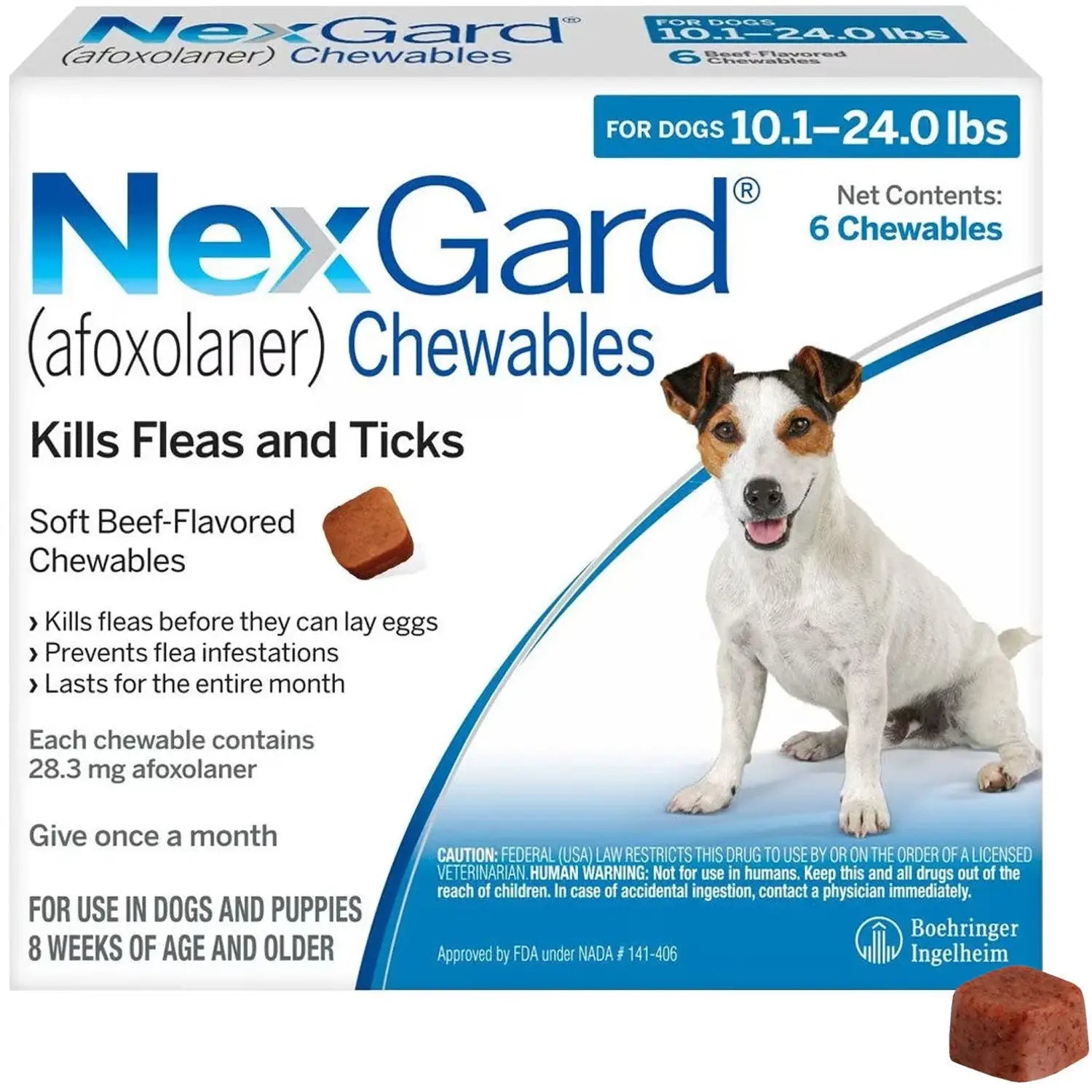
NexGard is a monthly beef-flavored chewable made by Boehringer Ingelheim Animal Health. Its active ingredient, afoxolaner, also belongs to the isoxazoline class and works similarly, attacking the nervous system of fleas and ticks to eliminate them fast after they bite.
How Does NexGard Work?
NexGard is a monthly chewable treatment that works quickly once your dog swallows it. Its active ingredient, afoxolaner, also belongs to the isoxazoline family, designed to kill fleas and ticks by disrupting their nervous systems.
Here’s the science made simple:
- After ingestion, afoxolaner spreads via your dog’s bloodstream.
- When a flea or tick bites, it consumes the medication and becomes neurologically overactive.
- This leads to paralysis and death within a short window—fleas typically die within 8 hours, and ticks within 24 to 48 hours.
NexGard works from the inside, so it doesn’t repel parasites—it kills them after they bite. That’s why consistent monthly dosing is essential to avoid any gaps in protection.
Now that you know how Bravecto and NexGard work, it’s time to understand that while both belong to the same drug class and follow a similar mechanism to kill parasites, their formulations, dosing schedules, duration of protection, and use cases vary enough to impact your decision - especially when it comes to ease of use, lifestyle fit, and pet sensitivity.
Let’s break down the key similarities and differences to help you confidently choose the right protection for your dog.
What are the Similarities between Bravecto and NexGard?
Bravecto lasts longer with fewer doses. NexGard offers monthly flexibility. Your choice depends on how often you want to treat and how consistent you can be. Let’s break it down:
- Systemic protection: Both circulate in your dog’s bloodstream. Parasites must bite to ingest the active ingredient and be eliminated.
- Same drug class: Both use isoxazoline compounds; Bravecto uses fluralaner, and NexGard uses afoxolaner to target fleas and ticks' nervous systems.
- Veterinarian-trusted: Widely recommended and FDA-approved for dogs.
- Chewable formats: Both are available as chewables, though Bravecto also offers a long-acting topical form
Well, both Bravecto and NexGard are effective killers of ticks, but not all tick preventatives are created equal when it comes to stopping disease transmission.
Let’s take a closer look at which one gives your dog an edge in fighting off tick-borne illnesses, especially Ehrlichia, a growing concern in many regions of the U.S.
Ehrlichia Risk: Which Treatment Offers Better Tick-Borne Disease Protection?
NexGard and Bravecto both reduce the risk of Ehrlichia by killing ticks fast. NexGard has specific studies on blocking transmission. Bravecto limits exposure with long-lasting protection.
Have a look in detail by exploring what Ehrlichia is:
What Is Ehrlichia?
Ehrlichia canis is transmitted by the brown dog tick and can cause serious health problems in dogs, such as fever, weight loss, swollen limbs, and in severe cases, even death.
It’s common in southern U.S. states and is spreading into more regions due to rising temperatures and shifting tick habitats.
Early prevention is key—once a tick attaches and begins to feed, disease transmission can occur in as little as 3–6 hours.
Bravecto vs NexGard: Which Prevents Ehrlichiosis?
- NexGard has been shown in studies to significantly reduce the transmission of Ehrlichia canis when administered on schedule. Its monthly use ensures consistent tick kills within 24–48 hours, reducing the window in which the pathogen can be transmitted.
- Bravecto also provides strong protection by killing ticks quickly after they bite. According to a published 12-month field study, dogs treated with Bravecto topical solution had 95% tick-free coverage, which greatly limits the risk of infection.
However, neither product claims to offer absolute “disease-blocking” guarantees. They kill ticks before transmission is likely to occur, not by making your dog immune to Ehrlichia.
Now that we’ve explored how well Bravecto and NexGard defend against dangerous tick-borne diseases like Ehrlichiosis, it’s just as important to ask:
Are these medications safe for pregnant dogs? Let’s break down this so you can feel confident in your choice.
Bravecto vs NexGard Side Effects: Are They Safe for Pregnant or Sensitive Dogs?
Bravecto is FDA-approved and tested to be safe for pregnant and nursing dogs, with mild side effects. On the other hand, NexGard hasn’t been fully studied in pregnancy; some vets may use it, but it’s best to use it with vet guidance.
Bravecto: Pregnancy-Safe and Well-Studied
- FDA-approved for use in breeding, pregnant, and lactating dogs, as confirmed by the manufacturer’s site and product labeling (Source)
- Well-tolerated in MDR‑1 gene-deficient Collies, with no neurological issues at high doses
Common side effects of Bravecto (rare and mild):
The common side effects of Bravecto include:
- Vomiting, diarrhea, lethargy, and increased thirst.
- No significant neurological concerns in normal dogs.
NexGard: Unsure for Pregnancy, Proceed with Caution
- Limited safety data: The standard NexGard formulary states that use in pregnant, breeding, and lactating dogs has not been adequately evaluated, and vets are advised to weigh benefits vs. potential risks (Source).
- Nevertheless, some veterinarians and regional formulations (e.g., NexGard Spectra) do allow use during pregnancy with vet supervision. (Source)
Common side effects of NexGard (rare and mild):
The common side effects of NexGard include:
- Occasional vomiting, diarrhea, lethargy
- Very rare neurological signs (tremors, ataxia, convulsions), often in dogs predisposed to such issues.
Can You Give Bravecto or NexGard to Dogs with Pre-existing Conditions?
Dogs with chronic health issues need extra care when choosing flea and tick treatments. Here's what to know before dosing.
Seizure History or Neurological Conditions
Both Bravecto and NexGard belong to the isoxazoline class, which carries a rare risk of neurological side effects, especially in dogs with a history of seizures, epilepsy, or tremors. The FDA issued a class-wide alert flagging this risk. If your dog has a neurological condition, talk to your vet before starting either product; a non-isoxazoline alternative may be safer.
Liver or Kidney Disease
Both products are metabolized through the liver and excreted via bile and urine. Dogs with liver or kidney compromise may need closer monitoring. Bravecto's longer dosing interval can be helpful here — less frequent metabolic load — but your vet should make the call.
Pregnant, Breeding, or Nursing Dogs
This is where the two diverge significantly:
- Bravecto is FDA-approved for use in pregnant, breeding, and lactating dogs.
- NexGard's safety in these dogs has not been adequately evaluated.
If you're breeding or your dog is expecting, Bravecto is the safer documented choice.
Diabetic Dogs
There are no documented contraindications for diabetic dogs with either product. However, since side effects like vomiting and diarrhea can affect blood sugar stability, monitor closely after the first dose.
Senior Dogs
Both products are safe for healthy seniors. For older dogs with multiple medications on board, Bravecto's less-frequent dosing can mean fewer drug interactions to track.
Always share your dog's full medical history with your vet before starting a new flea and tick medication.
Breed-Specific Considerations: Which Dogs Do Best on Bravecto or NexGard?
Bravecto has been studied in MDR1 gene-deficient Collies. NexGard may suit dogs whose owners prefer monthly chewable dosing, while Bravecto topical may help dogs that do not do well with oral chews.
Let’s break down what you need to know based on breed and size.
MDR1 Gene Sensitivity: What It Means
Certain breeds, especially herding dogs, may carry the MDR1 mutation, which affects how their bodies process certain drugs. While Bravecto and NexGard are generally well tolerated, extra caution is advised.
Breeds commonly affected:
- Collies
- Australian Shepherds
- Border Collies
- Shelties (Shetland Sheepdogs)
Which Dogs Typically Do Well on Each Treatment?
|
Breed Type |
Better Tolerated Product |
Notes |
|
Toy & small breeds |
NexGard |
A monthly chewable format makes dosing easier in smaller bodies |
|
Large & giant breeds |
Bravecto (topical or chewable) |
Longer dosing intervals may reduce owner error and missed doses |
|
Herding breeds (MDR1+) |
Bravecto (field tested) |
Safe at high doses in studies, though vet monitoring is still advised |
|
Allergy-prone breeds |
Case-dependent |
Try switching if mild GI side effects occur with either option |
Can You Switch Between Bravecto and NexGard? Transition Tips for Seasonal & Sensitive Dogs
Yes, you can switch between Bravecto and NexGard. Just don’t overlap doses and talk to your vet before making the change - especially if your dog has had side effects.
Here’s how to know when it’s the right move—and how to do it without exposing your dogs in peak flea tick season.
When Should You Consider Switching Between Bravecto and NexGard?
- You’ve missed a dose of NexGard and want year-round coverage with fewer treatments.
- Your dog had side effects from one product and needs a different formulation.
- You’re moving to or living in a region with year-round tick risk (like the South).
- You want to implement a treatment rotation strategy to avoid resistance buildup.
Vets sometimes advise rotating flea and tick medications every 6 to 12 months to help prevent parasites from developing resistance—especially in high-risk areas or multi-dog homes.
Regional Risk Tip: Where You Live Shapes Your Plan
- In Southern states like Florida and Texas, where fleas and ticks are active nearly all year, many vets prefer Bravecto topical or chewable formats for uninterrupted protection.
- In Northern or temperate climates, NexGard may be used during the warm months and paused during winter—making it a good fit for seasonal tick coverage.
Switching from NexGard to Bravecto in spring, then back in fall (or vice versa) may be discussed with a veterinarian when a dog’s exposure risk changes by season.
Safe Switching Checklist
- Don’t overlap doses. Wait until the current product’s coverage period ends before starting the new one.
- Consult your vet—especially if switching due to side effects or if your dog has a health condition.
- Monitor for reactions in the first 24–48 hours after switching.
What Happens If You Miss a Dose of Bravecto or NexGard?
Missing a dose is one of the most common questions pet parents have — and it matters more than you'd think. Even a short coverage gap can leave your dog vulnerable to fleas, ticks, and the diseases they carry.
If You Miss a NexGard Dose
Since NexGard is monthly, even a 2–3 day delay can open a window for new parasite activity, especially during peak season. Here's what to do:
- Give the missed dose as soon as you remember. Then resume the regular monthly schedule from that new date.
- Don't double up. Skip back-to-back dosing even if you've missed multiple months.
- Check your dog for fleas and ticks before the next dose, especially in warm weather.
- Reset reminders, phone alerts, or auto-ship to prevent future gaps.
If You Miss a Bravecto Dose
Because Bravecto lasts 12 weeks, missing a dose is less common but more impactful when it does. Recommended steps:
- Administer the missed dose as soon as possible to restart the 12-week cycle.
- Inspect your dog thoroughly for ticks if you're past the coverage window, especially in tick-heavy regions.
- Switch to a monthly option temporarily if your routine isn't working. Many pet parents find NexGard's monthly cadence easier to remember.
Pro Tip: Setting Up Auto-Refills
HardyPaw offers auto-ships for both Bravecto and NexGard, so doses arrive before your current supply runs out one of the simplest ways to keep flea control and tick control consistent year-round.
Signs of an Adverse Reaction: When to Call Your Vet
Side effects are uncommon with both Bravecto and NexGard, but knowing what to watch for in the first 24–48 hours after a dose matters.
Mild Reactions (Usually Self-Resolving)
- Vomiting or mild diarrhea
- Decreased appetite or mild lethargy
- Itching, dry skin, or hair loss (more common with Bravecto)
- If symptoms persist beyond 48 hours, call your vet.
Serious Reactions (Call Your Vet Immediately)
- Muscle tremors, ataxia (stumbling), or seizures (FDA-flagged)
- Repeated vomiting or bloody diarrhea
- Difficulty breathing, facial swelling, or collapse
Stop dosing and call your vet.
For after-hours emergencies: ASPCA Animal Poison Control: 1-888-426-4435 (24/7)
FDA Alert: In 2018, the FDA flagged isoxazoline-class products (including Bravecto and NexGard) for rare neurological side effects — muscle tremors, ataxia, and seizures — even in dogs with no prior history. Both products still carry FDA approval and are considered safe for most dogs.
Final Verdict: Should You Choose Bravecto or NexGard?
After breaking down Bravecto vs NexGard across safety, duration, dosing style, and breed-specific needs, it’s clear that there’s no one-size-fits-all answer. The best choice depends on your dog, your region, and your routine.
Here’s a quick decision guide to help you make the call:
Choose Bravecto if:
✅ You want fewer treatments per year
✅ You prefer topical or quarterly chewables
✅ You live in a high-risk tick area year-round
✅ You have a large breed or struggle with monthly compliance
✅ Your dog is pregnant, nursing, or MDR1-sensitive
Choose NexGard if:
✅ You prefer monthly chewable flexibility
✅ Your dog is small, picky, or sensitive to injectable meds
✅ You live in a seasonal flea/tick region
✅ You’re switching from another monthly isoxazoline
✅ You want to rotate treatments regularly
Still Unsure?
HardyPaw makes it easy to explore, compare, and order trusted flea and tick treatments like Bravecto, NexGard, Simparica Trio, and Trifexis—all in one convenient platform.
NexGard vs Bravecto FAQs
Q1. Can Bravecto and NexGard be used with heartworm medication?
Ans: Yes, both Bravecto and NexGard can be safely used alongside heartworm preventatives like Heartgard or Interceptor. Always confirm compatibility with your vet.
Q2. Does NexGard protect against mites or mange?
Ans: Yes, NexGard is FDA-approved for treating sarcoptic mange caused by mites. Bravecto also has demonstrated efficacy in managing certain types of mange.
Q3.Can Bravecto or NexGard cause seizures?
Ans: Isoxazolines like Bravecto and NexGard may cause seizures in rare cases, especially in dogs with a history of neurological disorders. Always consult your vet.
Q4. Do Bravecto or NexGard require a prescription?
Ans: Yes, both Bravecto and NexGard are FDA-regulated and require a valid veterinary prescription to purchase in the U.S., regardless of format.
Q5. Can I alternate Bravecto with Simparica Trio or other meds?
Ans: Yes, rotating Bravecto with Simparica Trio or similar products may help reduce resistance. Always allow the full coverage period to lapse before switching.
Q6. Which Flea Treatment Kills Ticks Faster: Bravecto or NexGard?
Ans: Bravecto kills ticks within approximately 12 hours, while NexGard kills ticks within 24–48 hours. Bravecto acts faster overall, offering quicker tick elimination in most cases.
Q7. Which Flea Treatment Is Best for MDR1-Sensitive Breeds?
Ans: Bravecto is tested and shown to be safe for MDR1-sensitive breeds like Collies and Australian Shepherds. NexGard should be used cautiously and only under veterinary supervision in these dogs.
References Used:
- https://nexgardforpets.com/sites/default/files/2023-05/2022_NexGard_PI.pdf
- https://us.bravecto.com/resources/frequently-asked-questions
- https://prime.vetmed.wsu.edu/2022/03/01/problem-medications-for-dogs/
- https://parasitesandvectors.biomedcentral.com/articles/10.1186/s13071-024-06590-1
- https://pubmed.ncbi.nlm.nih.gov/27317101/
- https://www.grandviewresearch.com/industry-analysis/flea-tick-heartworm-products-market
-
FDA Animal Drug Safety Communication on Isoxazoline Products
See Other Comparison Blogs on HardyPaw
Explore more head-to-head comparisons to help you choose the right treatment or product for your dog:
- Simparica Trio vs NexGard Plus: Comparison Guide
- NexGard Plus vs Heartgard Plus: What’s the Difference?
- Galliprant vs Rimadyl: NSAID Comparison for Joint Pain
- Simparica Trio vs Heartgard Plus: Which Should You Choose?
- Interceptor Plus vs Heartgard Plus: Full Breakdown
- Bravecto vs Simparica: Flea and Tick Treatment Comparison
- Simparica Trio vs Trifexis: Parasite Protection Compared
- Dog Harness vs Collar: Which Is Better for Your Pet?
Related Articles


Recent Articles


