

Why Topical Flea Treatments Fail in 2026: Causes and Fixes
Palvi (Updated: Jul 06, 2026) 6 min read

Dealing with fleas can be a real headache for any pet owner. If your pet has fleas, it's not just the constant scratching that's annoying. It's worrying about whether they're still uncomfortable or if the problem will keep coming back. Even when you use a flea treatment, it can still feel like it's not working, which can be super frustrating.
If your flea treatment is not working, you're not alone, and in most cases, the reason is fixable. In this blog, we'll explore the causes of flea treatment failures, what you can do to solve the problem, and the options available.
Key Takeaways
What is a Topical Flea treatment?
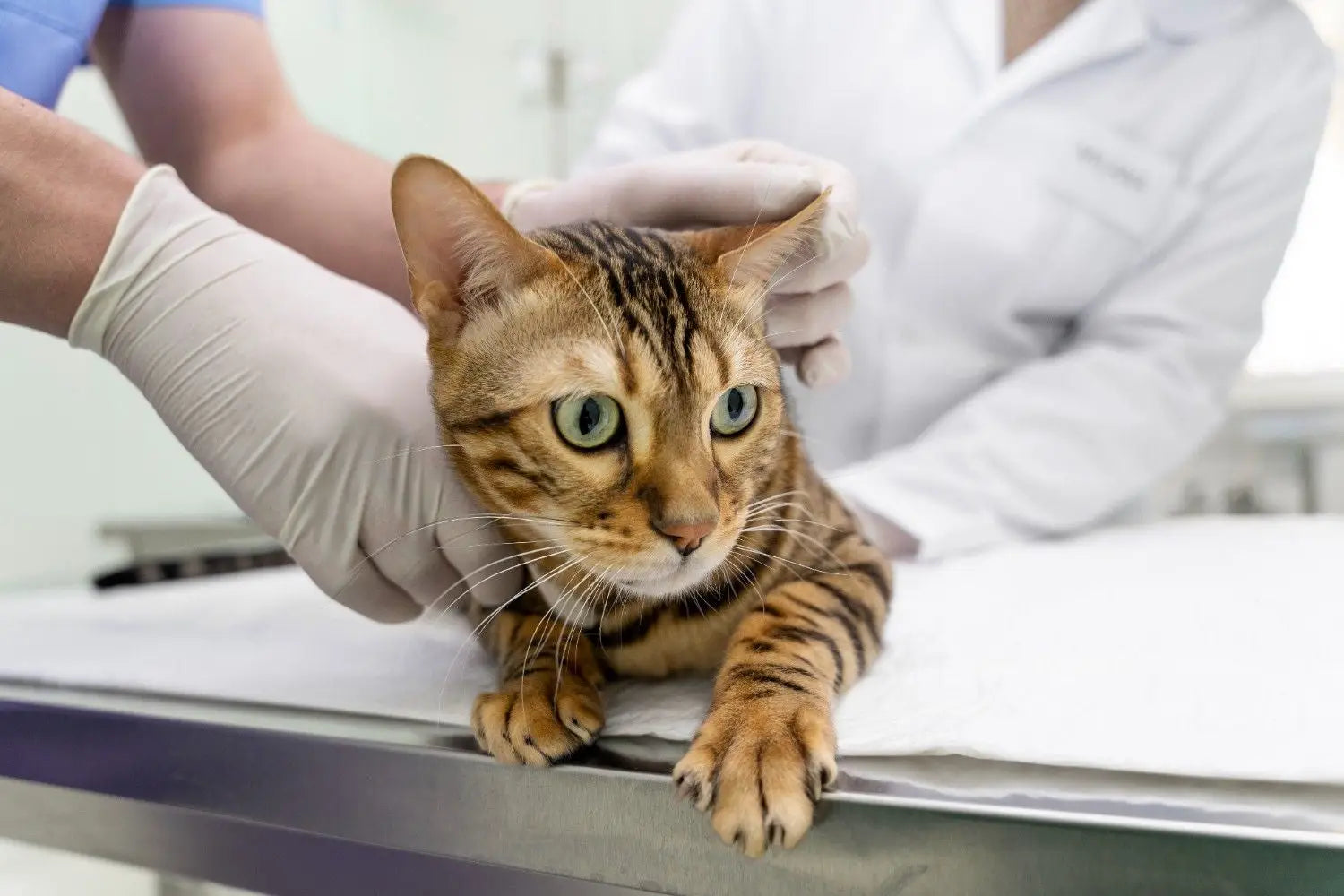
Topical flea treatments are liquid medications applied directly to your pet’s skin. It is usually applied between your dog or cat’s shoulder blades.
Such treatments are really effective, but only if everything goes right. They’re designed to kill fleas and prevent new infestations for up to a month.
However, if the treatment is not working, you can notice the following signs in your pet.
-
Your dog or cat is continuously scratching.
-
Or you can still see fleas even after flea treatment.
Get more information about how fleas spread on your dog or cat, the high-risk period, and prevention tips.
Causes and Fixes of Flea Treatment Failures
Flea treatment failures typically result from pet-related factors, owner errors, or medication issues. Finding out these helps to provide more effective treatment.
1. Incorrect Application
Many flea treatments fail simply because they are not applied correctly. Even top-quality products won’t work if they don’t reach the skin, where fleas live and feed. For example, applying the treatment to the fur instead of the skin, or misjudging the dosage based on your pet’s weight or species, can also lead to failure.
Fix:
-
Part the fur first, then apply the solution directly to the skin.
-
Follow the correct dosage based on your pet’s weight and species.
2. Bathing or Swimming Too Soon
Water can seriously reduce the effectiveness of topical flea treatments. If your pet gets wet too soon, the medication will not have time to properly absorb into the skin.
Fix:
-
Avoid bathing or swimming your pet 24-48 hours before and after application for full absorption.
-
Use only flea shampoos for dogs and cats, and limit play around treatment time to prevent dilution.
3. Resistant Flea Populations
In some areas, fleas have become resistant to fipronil or imidacloprid. This happens due to the overuse of the active ingredients in these products. This means even correct application is not enough against the local population.
Fix:
-
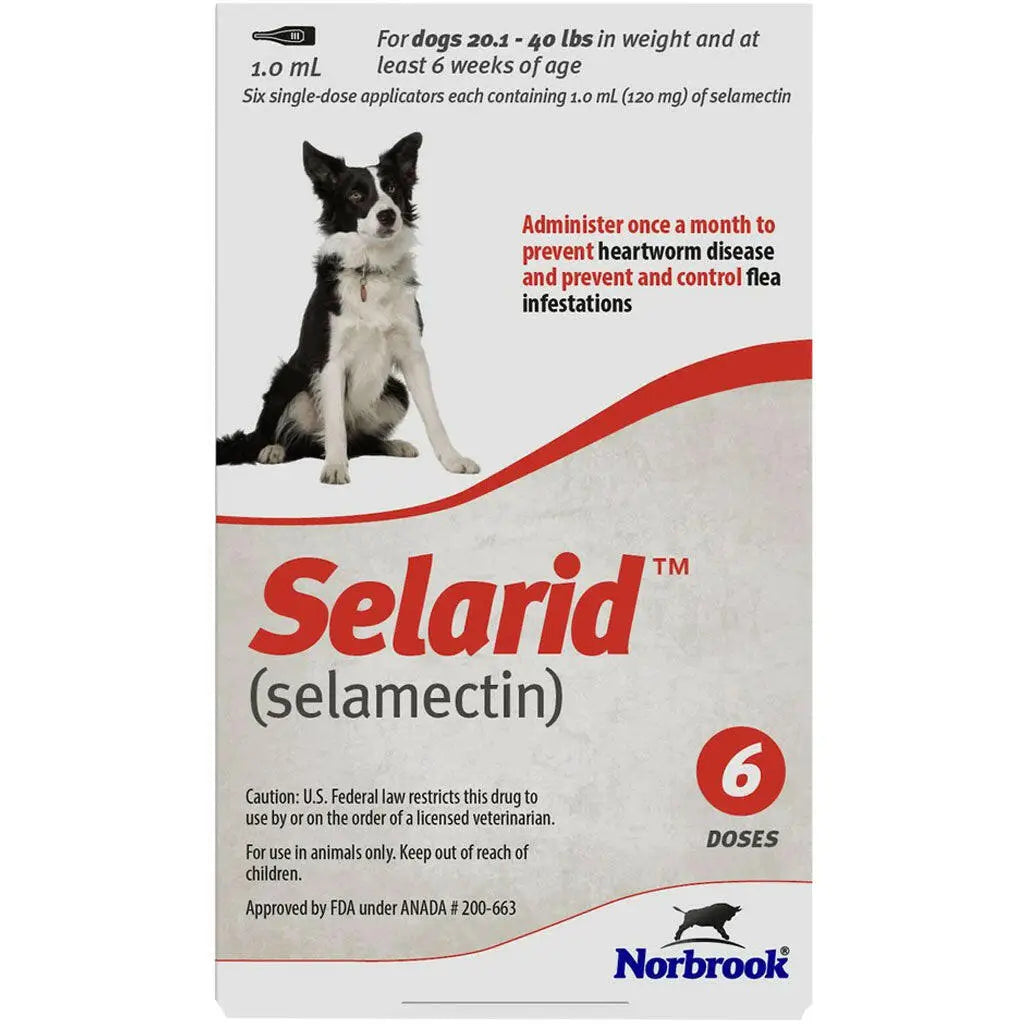
Rotate flea treatments for dogs and cats with different active ingredients (e.g., switch from fipronil to selamectin).
-
Consult your vet to select the most effective treatment for local flea resistance.
4. Underlying Health Issues
If your pet has skin conditions like allergies or a weakened immune system, it might not respond as expected to advantage flea treatments.
Fix:
-
Schedule a vet visit to check allergies, dermatitis, or immune issues.
-
Treat both the fleas and the underlying health problem to see full improvement.
5. Reinfestation from Untreated Pets
If only one pet in a multi-pet household is treated, fleas will continue to spread. Untreated pets serve as ongoing sources of infestation.
Fix:
-
Treat all animals in the household at the same time.
-
Use species-specific products; dog treatments can be toxic to cats and vice versa.
-
Maintain the monthly treatments for all pets to prevent a recurring cycle.
6. Expired or Low-Quality Products
Using expired flea treatments or off-brand versions from unreliable sources can lead to poor results.
Fix:
-
Buy from reputable retailers or your veterinarian.
-
Check expiration dates before application.
7. Environmental Infestation
Fleas live most of their life cycle in your pet’s environment, not on your pet. Adult fleas on your dog or cat are just the tip of the iceberg. If you don’t treat your home and yard, immature fleas will continue to develop and jump back onto your pet.
Fix:
-
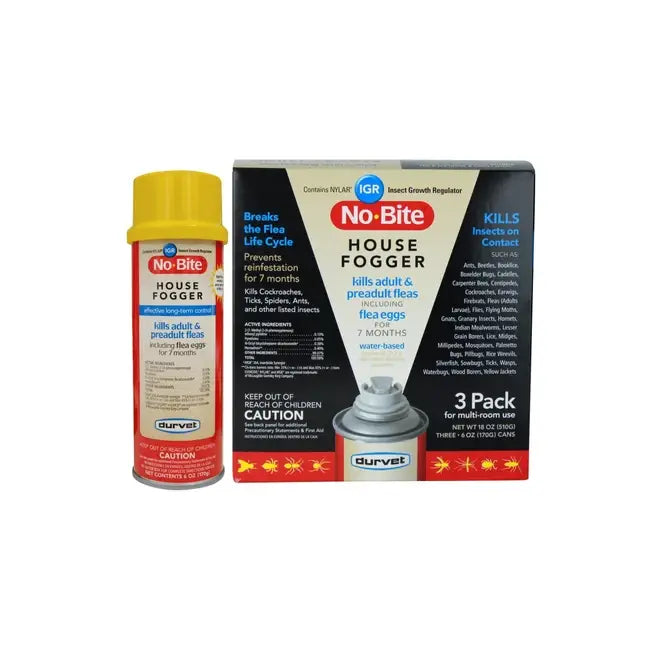
Treat your environment with flea sprays or foggers.
-
Vacuum daily and wash pet bedding regularly.

Flea Control Requires a Holistic Approach!
With the right and topical solution, you can manage fleas in your pet. Many pet owners find relief once they treat not just their pets but also their home environment and all their furry family members. The result? Happier, healthier pets who stop scratching and more peace of mind for their owners.
Frequently Asked Questions
Q1: Why do some topical flea treatments not work?
Ans: Flea treatments do not kill fleas immediately, allowing new fleas to jump on your pet before the product fully takes effect. Bathing your pet too early or too late around the application can also decrease the treatment's effectiveness.
Q2: Why is my cat's flea treatment not working?
Ans: If your cat's flea treatment isn't effective, keep in mind that about 95% of fleas reside in the environment rather than on your pet. A failure of the flea medicine to work could also result from improper application, missed doses, or reinfestation caused by untreated pets.
Q3: Why is Frontline not working on my cat?
Ans: Frontline uses fipronil, but in some regions, fleas have developed resistance. If Frontline isn't effective on your cat, apply it directly to the skin, keep your cat dry, treat all pets, and consult your vet about changing ingredients.
Q4: What should I do if my dog's flea treatment doesn't work?
Ans: If your dog's flea treatment isn't effective, ensure you're using the correct product for their weight and apply it directly to the skin, not the fur. If the flea medicine continues to have no effect, treat all pets, your home, and yard.
Q5: Why are my flea drops not working?
Ans: Flea drops not working usually points to a few issues: the liquid was applied to fur instead of skin, your pet got wet too soon, the dose was wrong, the product expired, or the home is still infested.
Q6: How to tell if fleas are dying?
Ans: You can recognize fleas are dying by observing fewer active fleas, reduced scratching, and the presence of dead fleas or flea dirt on floors, bedding, or in traps. These signs typically develop gradually over one or two days, rather than immediately.
Q7: Can I apply flea treatment more than once a month?
Ans: No, you should not use flea treatment more than once a month unless your veterinarian recommends otherwise. Frequent applications can irritate your pet's skin or trigger a reaction, so always adhere to the instructions on the product label and your vet's advice.
Q8: What do fleas hate the most?
Ans: Fleas tend to avoid strong scents like lavender, cedarwood, peppermint, and lemon, making them useful for natural repellence. However, these should serve as an additional safeguard rather than a substitute for vet-recommended flea treatment.
Related Articles


Recent Articles
